"Since the late nineteenth century, fingerprint identification
methods have been used by police agencies around the world to identify
both suspected criminals as well as the victims of crime. The basis of
the traditional fingerprinting technique is simple. The skin on the
palmar surface of the hands and feet forms ridges, so-called papillary
ridges, in patterns that are unique to each individual and which do not
change over time. Even identical twins (who share their DNA) do not
have identical fingerprints. Fingerprints on surfaces may be described
as patent or latent. Patent fingerprints are left when a substance
(such as paint, oil or blood) is transferred from the finger to a
surface and are easily photographed without further processing. Latent
fingerprints, in contrast, occur when the natural secretions of the
skin are deposited on a surface through fingertip contact, and are
usually not readily visible. The best way to render latent fingerprints
visible, so that they can be photographed, is complex and depends, for
example, on the type of surface involved. It is generally necessary to
use a ‘developer’, usually a powder or chemical reagent, to produce a
high degree of visual contrast between the ridge patterns and the
surface on which the fingerprint was left." Read
More on the History of Fingerprint Detection
(360) 568-2131 / myantiquemall@gmail.com
Looking for a particular area of antiques? We will search our three malls for you!

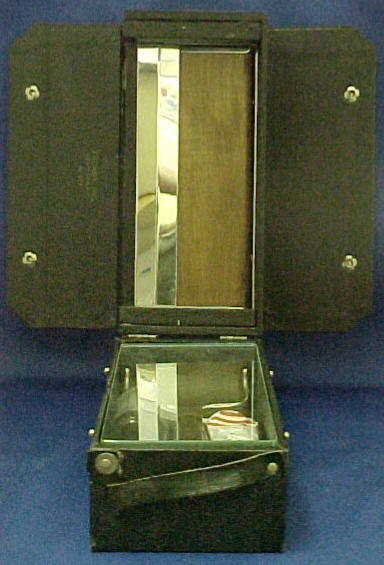

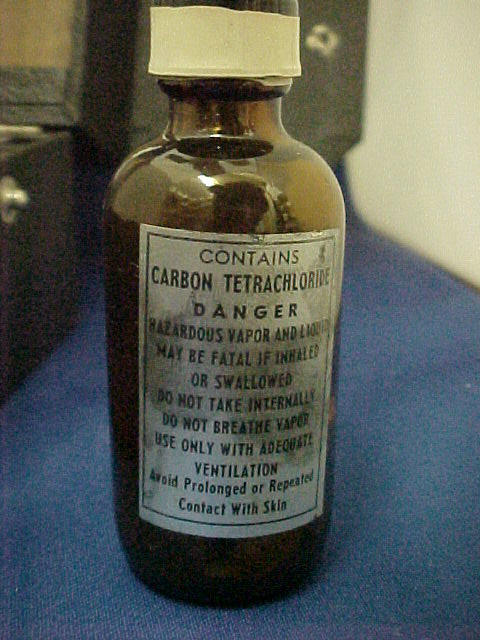
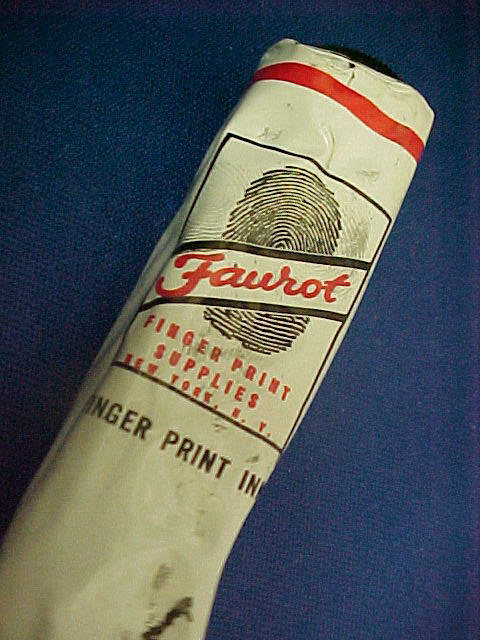

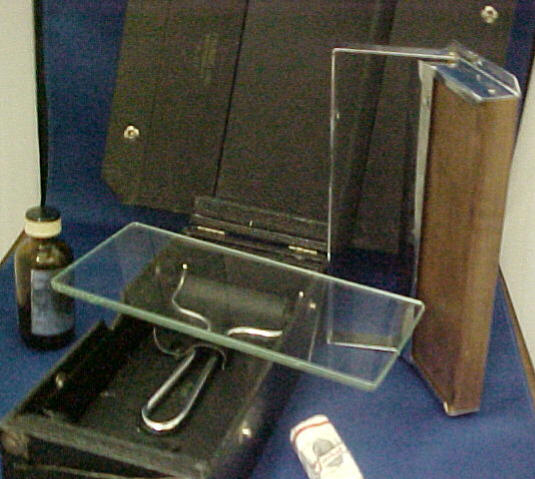
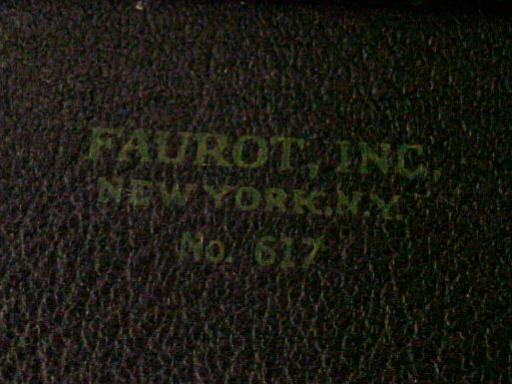
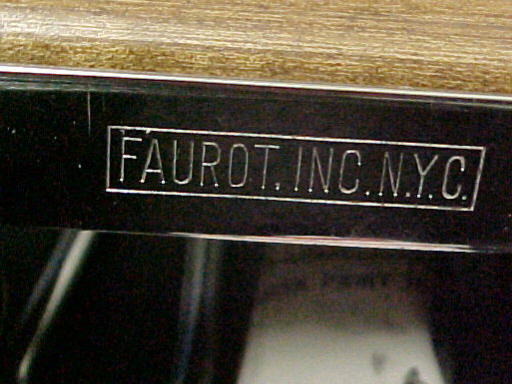
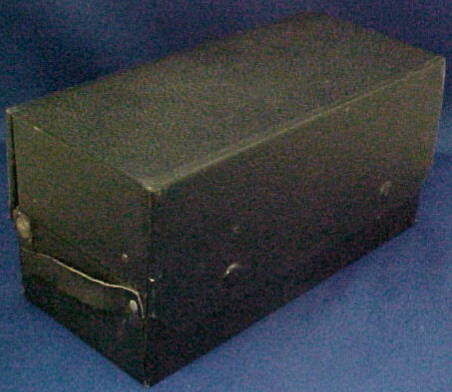

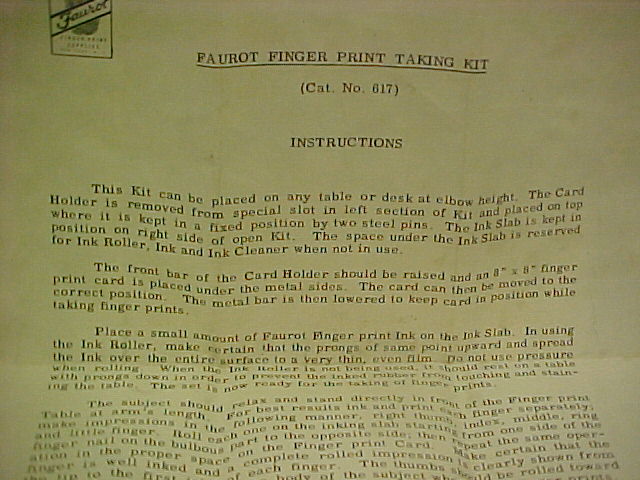
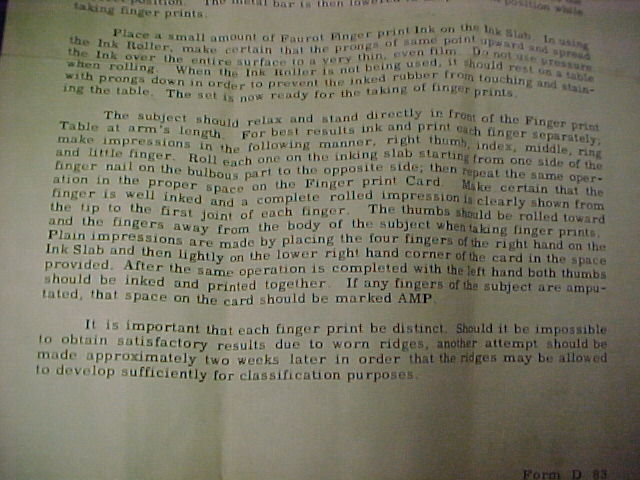

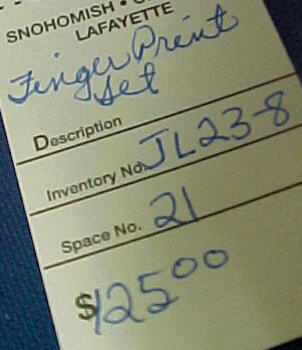
1930's Vintage FingerPrint Kit by Faurot, Inc. New York.
Original Instructions. No damage to glass insert or original carrying case. Likely from the Seattle Police Department.
Star Mall. Space #21. $125.00.
 .
.
Click the link above to shop more than 10,000 antiques
and view 85+ articles on antiques.


